
LearnStack OS
AI learning platformA retrieval-backed learning platform, designed and built end to end.
Open case studyAI & Automation Solutions Engineer
Google Certified Generative AI Leader


Use this terminal to ask Bhaskar about his published work and experience and get LIVE answers.It uses a RAG to retrieve, augment and generate responses from BrainVault - his digital "Second Brain"
Systems where the engineering is the product.
A retrieval-backed learning platform, designed and built end to end.
Open case study
A ten-stage document workflow with deterministic safeguards.
Open case study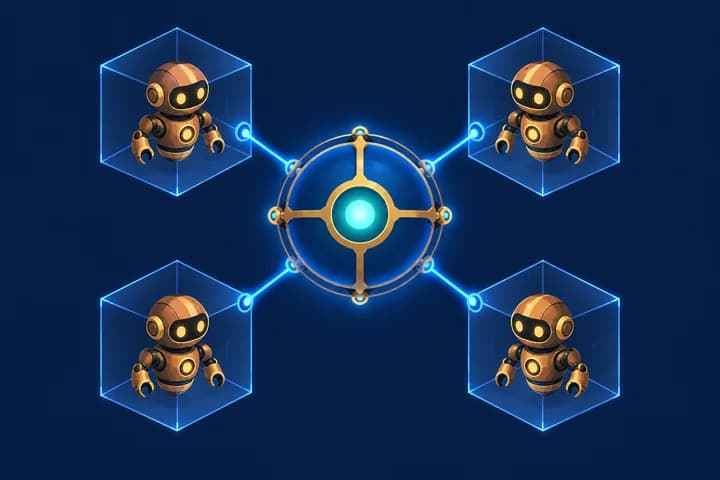
A controlled multi-agent software delivery system, licensed to LearnStack OS members.
Open case study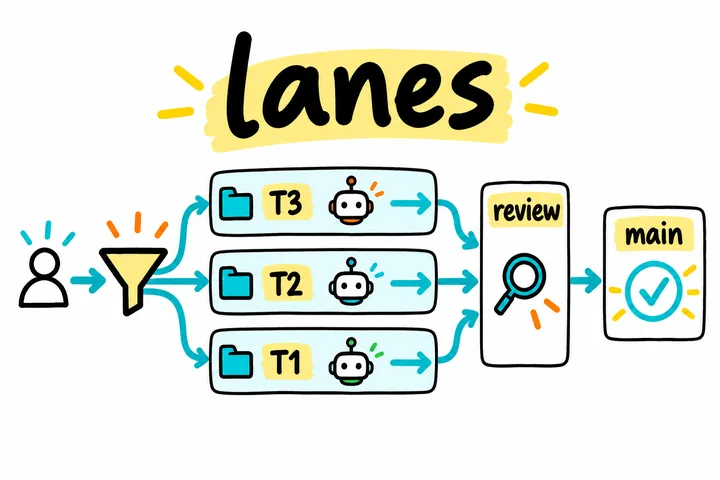
A Claude Code skill that routes parallel git-worktree tasks to the right model while keeping every review gate.
Open case study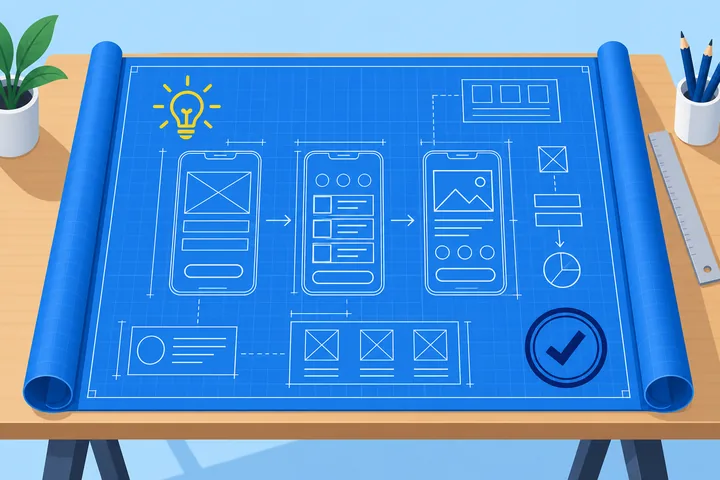
Turns an idea into approved product specifications and an implementation plan.
Open case study
A data and research system for land acquisition workflows.
Open case study
A retrieval-augmented system with a privacy-first data boundary.
Open case study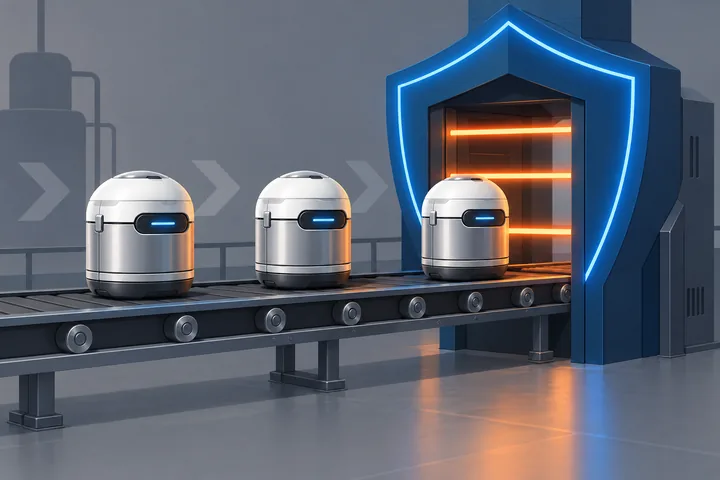
Mason, Parker, and Maya use deployed, task-scoped MCP servers for real estate and small-business work.
Open case study
Writes or rewrites text so it reads like a specific person, not a language model.
Open case study
Records a working session as a structured archive instead of a lossy summary.
Open case study
Compresses a long conversation into a fixed seven-block handoff for the next session.
Open case study
Turns an assistant into a blunt consultant for the length of a session.
Open case study
Runs an idea through hard gates and a weighted scorecard to one verdict.
Open case study
A vendor-neutral guide to running desktop Linux on Android phones.
Open case studyFor recruiters and hiring managers
Role names vary. These examples show the implementation, delivery, and leadership evidence behind my AI and automation work.
I build systems with large language models (LLMs), retrieval, and explicit data boundaries. LearnStack OS connects a content corpus to placement and learning paths; BrainVault uses OpenAI embeddings and pgvector for semantic search.
Explore LearnStack OS →Explore BrainVault →Claude Code and Codex are part of my spec-driven development practice. I built Agent-Team to orchestrate specialist AI agents through isolated work, independent review, and acceptance gates.
Explore Agent-Team →I mapped a client document process into ten stages from secure intake to attorney review and delivery. Deterministic rules and approved templates govern consequential output.
Explore the workflow →My Google Cloud Generative AI Leader certification accompanies hands-on AI product architecture and earlier enterprise engineering team leadership.
Read the résumé →Product judgment, technical depth, and accountable delivery in the same room.

Independent AI and automation consulting, with discovery, architecture, threat modeling, implementation, and handoff.

Client-facing network and security delivery across requirements, solution design, cutover, and on-call operations.

Led perimeter access control and change management for a global data-center environment.

Customer solution design, implementation, compliance-conscious security engineering, and live incident response.

Supported routing, switching, wireless, radio networking, and operational monitoring systems.
AI engineering first, on a long-running foundation in enterprise security and delivery.
Applied AI engineering
I connect trusted content to useful workflows through retrieval, then give agents narrowly scoped tools through Model Context Protocol (MCP) servers.
Learning platform
Retrieval over a chunked content corpus supports placement assessment, personalized learning paths, and in-lesson prompt tools.
Explore the case study →Knowledge system
A local note vault syncs to Supabase for semantic search with Postgres, pgvector, and OpenAI embeddings. Operational frontmatter is stripped before embedding so retrieval focuses on the note content.
Explore the case study →In-development bot team · deployed servers
I built and deployed Python MCP servers for Mason (deal scouting), Parker (buyer-matching research), and Maya (marketing). Signed bot packages expose task-bound tools: Maya’s maya_content_research returns approved context only for the brand assigned to her current task. Isolated Hermes Agent profiles use tool allowlists and scoped keys for authenticated product reads; consequential writes require product approval. The stack runs on a self-hosted production platform.
Live server · client registration pending
I authored the Streamable HTTP JSON-RPC endpoint at /api/mcp. Seven article tools cover creation, rewriting, importing, checking, publishing, scheduling, and authoring options. OAuth scope checks, Origin validation, and idempotent writes protect the endpoint. External OAuth client registration is still pending.
Deployed remote server
A TypeScript server on Supabase Edge Functions exposes 11 tools for semantic search, capture, note management, review, and statistics over Postgres and pgvector. OAuth 2.1 gives clients registration and consent; database row-level security limits what each client can read and write.
Explore BrainVault →MCP integration
I configured the Serena MCP server for Codex to navigate and inspect the attorney’s Legal Document Creator codebase.
Explore the client workflow →Current certifications, independently verifiable through Credly.
For teams that need the strategy and the implementation.
For recruiters and hiring managers
Embed a systems-minded engineer who owns an AI-enabled product or delivery problem end to end.
For teams and founders
Clarify the workflow and engineering boundary, then bring accountable technical context to product direction, delivery decisions, and a practical first implementation.
